Table of Contents
- Understanding Stamina: Physical and Sexual
- Build Your Cardiovascular Base
- High-Intensity Intervals for VO2 Max
- Optimize Nitric Oxide Production
- Prioritize Recovery — Where Gains Are Built
- The Underrated Pelvic Floor
- Energy Systems and Targeted Nutrition
- Stamina-Supporting Supplements
- Frequently Asked Questions
Understanding Stamina: It's Both Physical and Sexual
When men talk about improving stamina, the conversation usually covers one of two domains — or both: physical endurance in the gym, on the field, or in daily life; and sexual stamina in intimate encounters. The encouraging news is that the physiological foundations for both overlap substantially.
Cardiovascular efficiency, testosterone levels, nitric oxide production, pelvic floor strength, energy metabolism, and psychological confidence are all key pillars in both contexts. Strategies that improve one tend to improve the other. Building stamina is a process — not a quick fix — but the strategies below are evidence-based, practical, and cumulative in their benefits.
1. Build Your Cardiovascular Base with Zone 2 Training
Cardiorespiratory fitness is the foundation of physical stamina. Your VO2 max — the maximum rate at which your body can consume and utilize oxygen — is the single best predictor of cardiovascular endurance. And it's highly trainable.
Zone 2 cardio — exercise at 60–70% of your maximum heart rate, where you can still hold a full conversation but are working steadily — is the most efficient training zone for building aerobic base. This intensity stimulates mitochondrial biogenesis (creating more mitochondria, the energy factories in your cells), increases fat oxidation efficiency, reduces resting heart rate, and builds the aerobic foundation that underlies all physical endurance.
Aim for 150–180 minutes of Zone 2 cardio per week across 3–5 sessions. Brisk walking, cycling, swimming, rowing, or light jogging all qualify. Within 6–8 weeks of consistent Zone 2 training, most men notice meaningful improvements in how long they can sustain effort before fatigue sets in.
2. Incorporate High-Intensity Intervals to Push VO2 Max Higher
While Zone 2 builds the aerobic base, high-intensity interval training (HIIT) pushes VO2 max upward more aggressively. A higher VO2 max means your cardiovascular system can sustain higher intensity effort longer before crossing into the anaerobic threshold — the point where you can no longer clear lactate fast enough and fatigue accelerates.
A practical HIIT protocol: 20–30 second all-out efforts followed by 90–120 seconds of full recovery, repeated 6–8 times, performed 2 days per week. This time-efficient approach produces outsized cardiovascular benefits and also triggers acute testosterone elevation and improved nitric oxide production — two bonus outcomes for male vitality.
Do not perform HIIT more than 2–3 days per week. More frequent high-intensity work raises chronic cortisol, impairs recovery, and paradoxically reduces the aerobic adaptations you're seeking. Pair it with Zone 2 days and adequate rest.
3. Optimize Nitric Oxide Production for Blood Flow and Performance
Nitric oxide (NO) is a signaling molecule that relaxes and dilates blood vessels — improving blood flow to muscles during exercise and to penile tissue for healthy erections. Optimizing NO production supports both physical endurance and sexual stamina through the same mechanism.
Dietary strategies to boost NO:
- Beets and beet juice: Among the richest dietary sources of nitrates — compounds your body converts to nitric oxide. Studies show beet juice consumed 2–3 hours before exercise measurably improves endurance performance in both recreational and competitive athletes.
- Leafy greens: Arugula, spinach, and Swiss chard are excellent dietary nitrate sources. Dark chocolate and pomegranate also support NO synthase activity.
- L-Arginine and L-Citrulline: Amino acids that serve as direct precursors to nitric oxide synthesis. L-Citrulline converts to L-Arginine more efficiently in the body and is preferred by many sports nutrition researchers. Both are well-supported for their circulation-enhancing effects.
4. Prioritize Recovery — This Is Where Adaptation Happens
Stamina is not built during exercise — it's built during recovery. Progressive physical stress creates microscopic damage and metabolic stress; the body's adaptive response to that stress (during rest and sleep) is what actually produces the improvement in capacity.
Men who train hard without sufficient recovery often experience stagnation or regression. They become chronically fatigued, their cortisol rises, testosterone drops, and performance plateaus or declines. This is the most common mistake endurance athletes and gym-focused men make — more is not always better.
Practical recovery strategies:
- Sleep 7–9 hours nightly — this is when growth hormone is released and physical repair occurs
- Active recovery days — light walking, stretching, or yoga on rest days keeps circulation active without adding stress
- Contrast showers — alternating hot and cold water exposure reduces muscle soreness and improves circulation
- Adequate protein — 0.7–1g per pound of bodyweight daily supports muscle repair and synthesis
- Monitor training load — if you're consistently tired, underperforming, or mood is declining, add a rest day before another training day
5. Strengthen the Pelvic Floor — The Most Underutilized Tool
This is the single most underused stamina strategy in men's wellness. The pelvic floor muscles — particularly the pubococcygeus (PC) muscle and ischiocavernosus muscle — are directly involved in erectile rigidity, ejaculatory control, and the quality and intensity of orgasm. Strengthening them has solid clinical evidence for improving sexual stamina and helping manage premature ejaculation.
A 2014 study in the British Journal of Urology International found that pelvic floor exercises (Kegels) were effective in 40% of men with lifelong premature ejaculation and 82% of men with acquired premature ejaculation over a 12-week program — outperforming pharmacological interventions in some measures.
How to perform Kegel exercises: Identify the muscles you would use to stop urination mid-flow. Contract them firmly for 3–5 seconds, then release completely (the release is equally important). Repeat 10–15 times per set. Perform 3 sets daily. Results become noticeable within 4–6 weeks of consistent practice.
6. Fuel Your Energy Systems with Strategic Nutrition
ATP (adenosine triphosphate) is the fundamental energy currency your cells use for every muscular contraction. How efficiently your body produces and regenerates ATP determines your endurance. Several nutritional strategies support more efficient energy production:
- Adequate carbohydrate intake: Glycogen (stored carbohydrate) is the primary fuel for moderate-to-high intensity exercise. Severely restricting carbohydrates while training for endurance impairs performance and recovery.
- Iron (if deficient): Iron-deficiency anemia significantly impairs oxygen-carrying capacity and is a common but underdiagnosed cause of poor endurance. Get your ferritin levels checked if fatigue during exercise is persistent.
- B vitamins: Critical cofactors in cellular energy metabolism (the Krebs cycle and electron transport chain). Deficiency — particularly B12 and folate — impairs mitochondrial energy production.
- Magnesium: Involved in over 300 enzymatic reactions including ATP synthesis and muscle relaxation. Most men are below optimal levels.
- Adequate hydration: Even 2% dehydration causes measurable performance decrements. Hydrate consistently throughout the day rather than relying on thirst alone during exercise.
7. Targeted Supplements That Support Stamina and Endurance
Several natural supplements have meaningful research supporting their roles in endurance and male performance:
- L-Arginine HCl: A nitric oxide precursor with documented benefits for blood flow, exercise performance, and erectile function. Found in premium men's vitality formulas for its dual physical-sexual stamina support.
- Maca Root (Lepidium meyenii): A Peruvian adaptogenic root studied for its effects on energy, stamina, and libido in men. Research suggests it supports sexual motivation and endurance independently of hormonal pathways.
- Ashwagandha: Multiple studies demonstrate that Ashwagandha significantly improves VO2 max, muscular endurance, and recovery time in men — alongside its cortisol and testosterone benefits.
- Tribulus Terrestris: Traditionally used to support vitality and endurance. While mechanisms are still being studied, it remains one of the most popular botanical ingredients in men's performance support.
- Zinc: An essential mineral for testosterone production and immune function — both foundational for sustained physical and sexual performance.
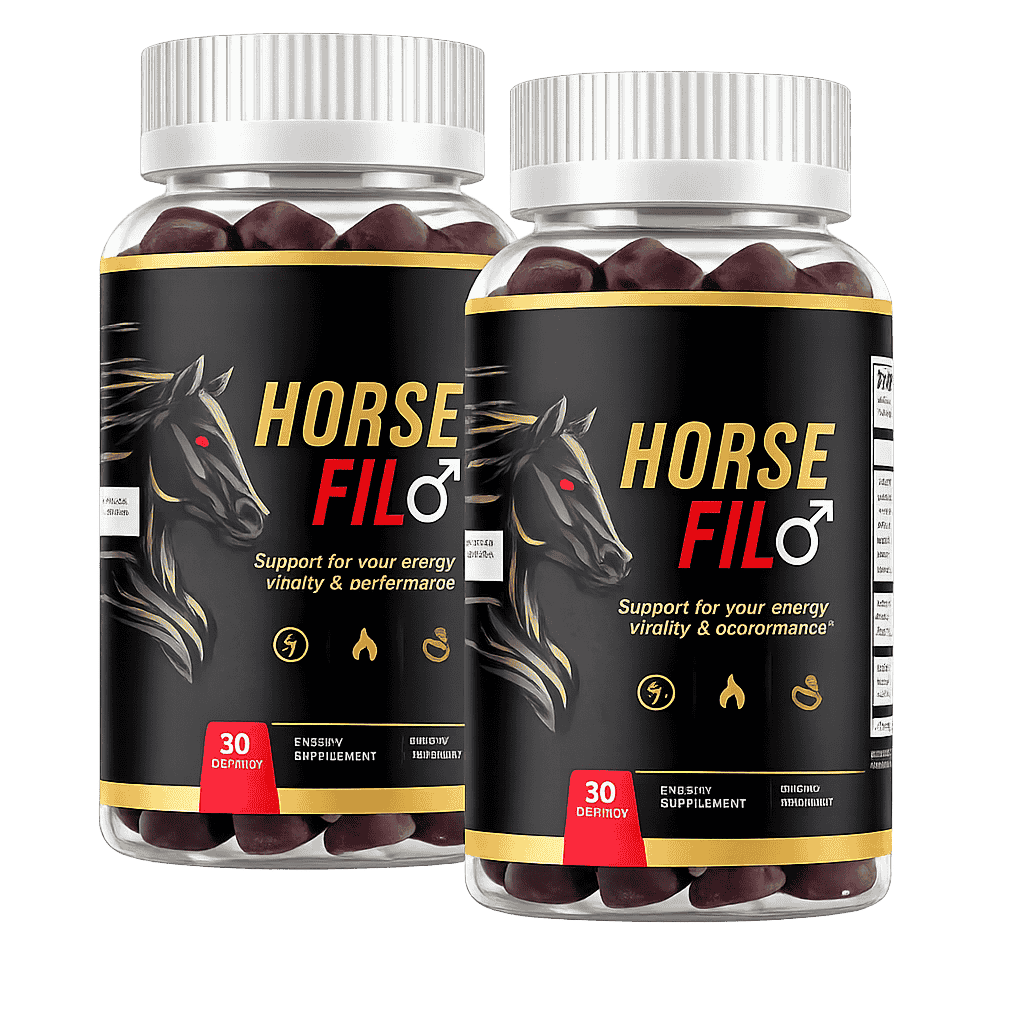
Support Your Stamina with HorseFil®
HorseFil contains L-Arginine for circulation, Maca Root for energy, Ashwagandha for endurance and stress resilience, Tribulus for vitality, and Zinc for hormonal support — a targeted formula for men who want to perform at their best.
Get HorseFil Today