Table of Contents
What Is Erectile Dysfunction?
Erectile dysfunction — commonly referred to as ED — is defined as the persistent difficulty achieving or maintaining an erection sufficient for satisfactory sexual activity. While occasional challenges with erections are a normal part of life for most men, when the issue becomes frequent or consistent, it warrants closer attention.
ED is far more common than most men realize. Research suggests it affects approximately 30 million men in the United States alone, with prevalence increasing significantly after age 40. Yet despite how widespread it is, many men feel reluctant to discuss it — even with their doctors.
Understanding the underlying causes is critical. ED is rarely a standalone condition; it is often a symptom of broader health dynamics that deserve attention. The good news is that many contributing factors are addressable through lifestyle changes, nutritional support, and, where appropriate, medical intervention.
Physical Causes of Erectile Dysfunction
The majority of ED cases in men over 40 have a physical component. Erections depend on a highly coordinated interaction between the nervous system, blood vessels, hormones, and penile tissues. When any part of this system is disrupted, erectile function can be affected.
Cardiovascular Disease and Poor Circulation
An erection is fundamentally a vascular event — it requires healthy blood flow to the penile tissue. Anything that compromises circulation can impair this process. Atherosclerosis (the hardening and narrowing of arteries), hypertension, and high cholesterol are among the most common cardiovascular contributors to ED.
In fact, researchers increasingly view ED as an early warning sign of cardiovascular disease. Men who experience ED without an obvious cause — particularly those in their 40s and 50s — are often encouraged to have their heart health evaluated.
Diabetes
Men with diabetes are two to three times more likely to experience ED compared to those without the condition. Chronically elevated blood sugar damages both blood vessels and the nerves that control erections (a condition called diabetic neuropathy), creating a double challenge for erectile function.
Obesity
Excess body fat — particularly visceral fat around the abdomen — is associated with lower testosterone, increased estrogen, insulin resistance, and reduced circulation, all of which can negatively affect sexual function. Studies consistently show that men who lose significant weight often experience meaningful improvements in erectile function.
Neurological Conditions
Conditions such as multiple sclerosis, Parkinson's disease, spinal cord injuries, and pelvic nerve damage (sometimes from surgery or radiation) can interrupt the neural signals required for normal erectile function.
Hormonal Causes
Hormonal imbalances — particularly involving testosterone — are a significant driver of ED, especially as men age.
Low Testosterone (Hypogonadism)
Testosterone plays a central role in male sexual desire and erectile function. After age 30, testosterone levels decline gradually — roughly 1% per year. For some men, this decline is more pronounced, resulting in low libido, reduced morning erections, fatigue, and difficulty achieving satisfactory erections.
Low testosterone alone doesn't always cause ED directly, but it reduces the sexual desire that typically initiates the arousal process, and can impair nitric oxide synthesis — a key molecule in the erectile response.
Elevated Prolactin and Thyroid Dysfunction
Elevated levels of the hormone prolactin (hyperprolactinemia) can suppress testosterone production. Similarly, both hypothyroidism and hyperthyroidism can disrupt the hormonal balance needed for healthy erectile function.
Psychological Causes
The brain is arguably the most important sexual organ — and psychological factors play a surprisingly large role in ED, particularly in younger men.
Performance Anxiety
Anxiety about sexual performance creates a self-reinforcing cycle: worry leads to difficulty, which leads to more worry, which perpetuates the problem. Even one negative experience can create enough psychological pressure to interfere with future encounters.
Depression and Chronic Stress
Both depression and chronic stress elevate cortisol — the body's primary stress hormone. High cortisol suppresses testosterone and disrupts the neurological pathways involved in sexual arousal. It's worth noting that many antidepressant medications (particularly SSRIs) also carry sexual side effects, which can compound the issue.
Relationship and Intimacy Issues
Unresolved tension, poor communication, or emotional distance between partners can manifest physically. Sexual function is deeply connected to emotional safety and intimacy — when the relationship is strained, sexual performance often reflects that strain.
Lifestyle Factors That Contribute to ED
Several common lifestyle habits are directly associated with higher ED risk:
- Smoking: Damages blood vessels and significantly impairs circulation, directly affecting erectile function.
- Excessive alcohol: Acute and chronic alcohol use interferes with the hormonal and neurological processes involved in erections.
- Sedentary lifestyle: Physical inactivity is associated with obesity, poor cardiovascular health, and lower testosterone — all risk factors for ED.
- Poor sleep: Testosterone is primarily produced during deep sleep. Chronic sleep deprivation measurably lowers testosterone levels.
- Pornography overconsumption: Emerging research suggests that habitual pornography use may contribute to difficulty becoming aroused with a real partner, a phenomenon sometimes called "pornography-induced erectile dysfunction."
Supporting Healthy Sexual Wellness Naturally
While ED can have serious medical causes that require professional evaluation, many men can support their sexual wellness through evidence-based lifestyle practices:
- Regular cardiovascular exercise — improves circulation, supports healthy testosterone, and reduces stress.
- A nutrient-dense diet — particularly one rich in zinc, magnesium, healthy fats, and antioxidants.
- Stress management — meditation, breathwork, and adequate recovery all help regulate cortisol.
- Prioritizing sleep — aiming for 7–9 hours of quality sleep supports testosterone production.
- Limiting alcohol and avoiding tobacco — both are directly linked to better vascular health and erectile function.
- Targeted supplementation — certain natural ingredients like L-Arginine, Ashwagandha, Tribulus, and Zinc are studied for their roles in supporting male sexual wellness.
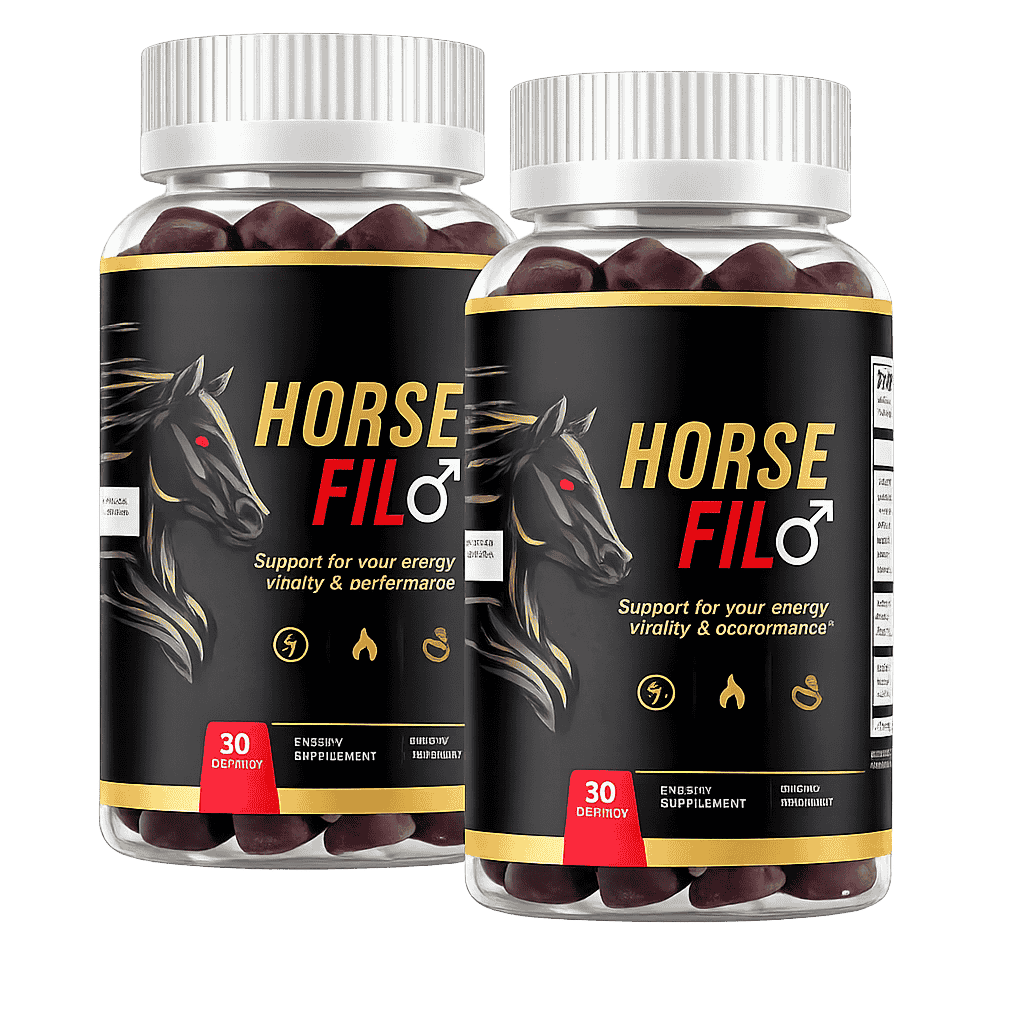
Support Your Male Vitality with HorseFil®
HorseFil is a premium men's wellness supplement formulated with natural botanicals to support healthy testosterone, blood flow, libido, and stamina. Take one step toward feeling your best.
Get HorseFil Today