Table of Contents
1. Prioritize Quality Sleep — It's Non-Negotiable
If you could do only one thing to support your male performance and vitality, sleep would be the strongest candidate. Testosterone — the hormone most central to male energy, stamina, libido, and body composition — is primarily produced during deep sleep stages.
Research published in the Journal of the American Medical Association found that healthy young men who slept only 5 hours a night for a week experienced a 10–15% reduction in testosterone levels. That's equivalent to aging 10 to 15 years in terms of hormonal profile — in just one week.
Aim for 7–9 hours of uninterrupted sleep in a cool, dark room. Establishing a consistent sleep and wake schedule — even on weekends — is one of the most powerful and underutilized tools for supporting male hormonal health.
2. Exercise Strategically for Maximum Hormonal Benefit
Not all exercise affects testosterone equally. Resistance training — particularly heavy compound movements like squats, deadlifts, bench press, and rows — produces the most significant acute testosterone response and builds the long-term hormonal foundation men need.
High-intensity interval training (HIIT) is also effective for boosting testosterone while improving cardiovascular health. Moderate steady-state cardio (like brisk walking or cycling) supports circulation and stress reduction without the cortisol spike of extreme endurance training.
Importantly, avoid overtraining. Chronic excessive exercise without adequate recovery raises cortisol and can paradoxically suppress testosterone. Three to five focused strength sessions per week, with proper sleep and nutrition in between, is optimal for most men.
3. Eat for Hormone Health, Not Just Calories
Your diet is the raw material your endocrine system uses to produce testosterone and other hormones. Several specific nutrients are particularly important:
- Zinc: An essential mineral for testosterone synthesis. Oysters, beef, pumpkin seeds, and lentils are excellent sources.
- Healthy fats: Testosterone is synthesized from cholesterol — dietary fat is essential. Include avocados, olive oil, nuts, eggs, and fatty fish.
- Magnesium: Involved in hundreds of enzymatic reactions, including those affecting testosterone. Leafy greens, nuts, seeds, and dark chocolate are good sources.
- Vitamin D: Acts almost like a hormone itself. Research links vitamin D deficiency to lower testosterone. Sun exposure and fatty fish are natural sources; supplementation is often necessary in northern climates.
Limit heavily processed foods, seed oils, added sugars, and alcohol — all of which are associated with hormonal disruption and reduced male vitality.
4. Manage Stress Before It Manages You
Cortisol — the body's primary stress hormone — has a direct antagonistic relationship with testosterone. When cortisol is chronically elevated, testosterone production is suppressed. This is why men under prolonged stress often experience reduced libido, fatigue, and mood changes that resemble low testosterone.
Daily stress management doesn't require dramatic lifestyle changes. Even 10–15 minutes of deliberate relaxation — deep breathing, meditation, journaling, or a short walk in nature — can meaningfully lower cortisol over time. The key is consistency, not intensity.
5. Stay Consistently Hydrated
Even mild dehydration has measurable effects on physical performance, cognitive function, and energy. Water is involved in virtually every metabolic process, including hormone transport and cellular nutrient delivery.
A practical guideline: aim for about half your body weight in ounces of water daily (e.g., a 180 lb man targets ~90 oz). Increase this during exercise, hot weather, or after alcohol consumption. Starting each morning with a large glass of water before coffee is a simple habit with outsized benefits.
6. Get Morning Sunlight Every Day
Natural morning light exposure has cascading benefits for men's health: it anchors your circadian rhythm (which governs cortisol and testosterone release patterns), stimulates vitamin D synthesis, elevates serotonin, and improves sleep quality that night.
Aim for 10–20 minutes of outdoor light exposure within the first hour of waking. This single habit can meaningfully improve sleep, mood, energy, and hormonal rhythm — all of which feed into male performance and vitality.
7. Support Your Habits with Targeted Nutritional Supplementation
Even men with excellent lifestyle habits may have nutritional gaps that affect hormonal health. This is where targeted supplementation plays a supporting role — not as a replacement for healthy habits, but as a complement to them.
Natural ingredients like Ashwagandha (cortisol and testosterone support), Fenugreek (testosterone support), Zinc, Maca Root (energy and libido), Tribulus Terrestris, and L-Arginine (circulation support) have meaningful research backing their roles in men's wellness.
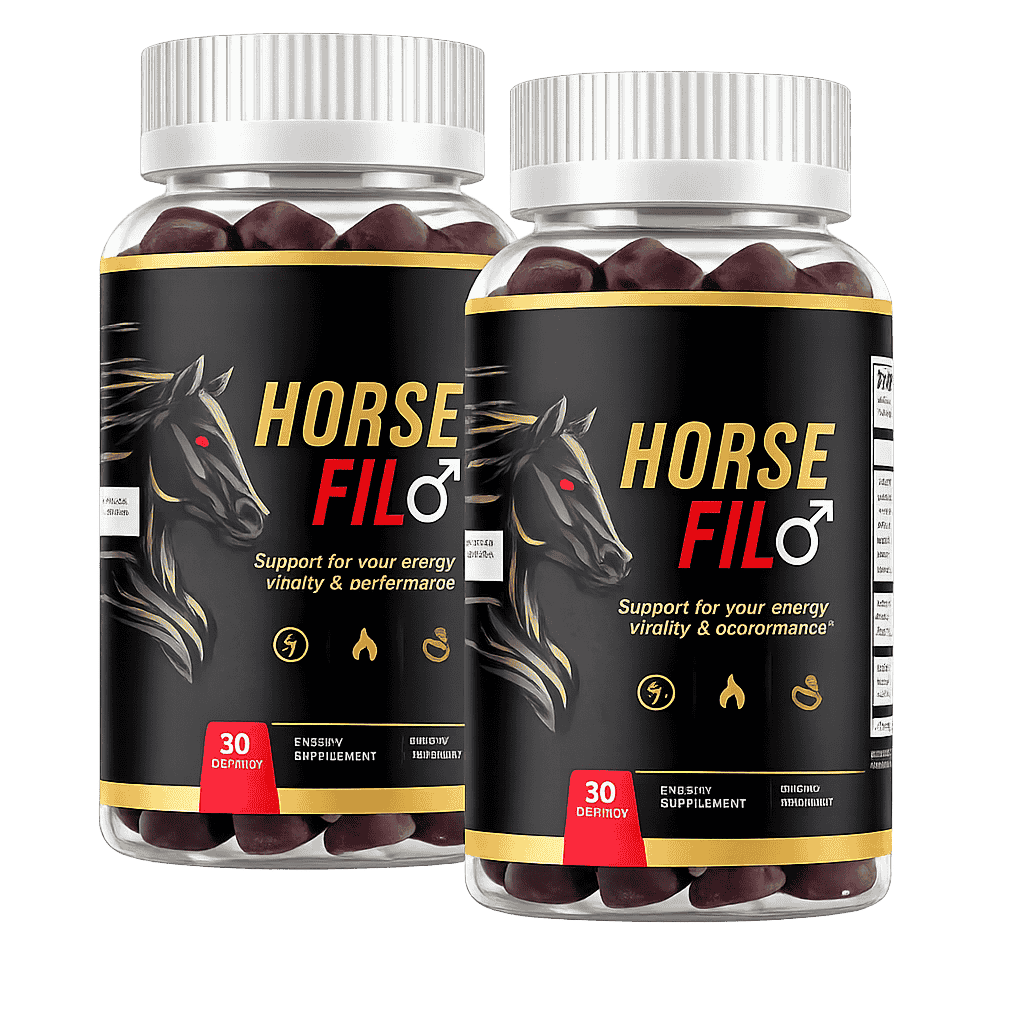
Complement Your Healthy Habits with HorseFil®
HorseFil combines the most researched natural ingredients for men's vitality into one premium daily supplement. Build great habits — and let HorseFil fill in the gaps.
Get HorseFil Today