Table of Contents
- Are You Working Against Yourself?
- Mistake #1: Treating Sleep as Optional
- Mistake #2: Skipping Resistance Training
- Mistake #3: Chronic Cardio Without Recovery
- Mistake #4: A Diet Full of the Wrong Things
- Mistake #5: Ignoring Chronic Stress
- Mistake #6: Never Getting Blood Work Done
- Mistake #7: Relying on Stimulant-Heavy Shortcuts
- Mistake #8: Expecting Results Without Consistency
- Frequently Asked Questions
Are You Unknowingly Working Against Your Own Vitality?
Most men who struggle with low energy, diminished libido, and poor performance aren't dealing with some unavoidable consequence of aging. They're dealing with the cumulative effect of habits that quietly suppress testosterone, impair circulation, dysregulate hormones, and drain the physiological resources that male vitality depends on.
The encouraging truth is that most of these mistakes are correctable. You don't need radical interventions — you need to stop doing the things that are working against you and start doing more of what the evidence supports. Here are the eight most common performance-undermining patterns men fall into, and exactly what to do about each one.
Mistake #1: Treating Sleep as Optional
Sleep deprivation is the single most common and consequential saboteur of male performance. The research is unambiguous: testosterone is primarily synthesized during deep sleep stages — specifically during REM and slow-wave sleep cycles. Men who consistently sleep fewer than 6 hours per night show testosterone levels 10–15% lower than men who sleep 7–9 hours. That's equivalent to aging a decade in hormonal terms — in just one week of poor sleep.
Beyond testosterone, chronic sleep deprivation elevates cortisol, impairs cognitive function, reduces physical performance, disrupts emotional regulation, and severely impairs libido. There is no workout program, diet, or supplement that can fully compensate for chronically insufficient sleep.
The fix: Protect 7–9 hours nightly as a non-negotiable priority. Set a consistent sleep time — not just a consistent wake time. Keep your bedroom cool (65–68°F), dark, and free from screens. Treat sleep as a performance input, not a luxury.
Mistake #2: Skipping Resistance Training
Men who focus exclusively on cardio — or avoid exercise altogether — miss the most testosterone-stimulating form of physical training available. Resistance training, particularly heavy compound movements (squats, deadlifts, bench press, rows, overhead press), produces the largest acute testosterone response of any exercise type and builds the hormonal foundation for long-term male vitality.
The principle of progressive overload — gradually increasing resistance over time — drives continued hormonal and muscular adaptation. Men who train with weights consistently over months and years maintain significantly better testosterone levels, body composition, bone density, and metabolic health than sedentary men of the same age.
The fix: Include 3–4 resistance training sessions per week. Prioritize compound movements over isolation exercises. Track your lifts and aim for progressive overload over weeks and months.
Mistake #3: Chronic Cardio Without Adequate Recovery
The opposite problem also exists, and it's nearly as common among performance-focused men. Excessive endurance training — particularly when combined with inadequate recovery — chronically elevates cortisol. The hormonal arithmetic is straightforward: cortisol and testosterone share the same precursor molecule, and chronic cortisol dominance suppresses testosterone production.
Ultra-endurance athletes often have surprisingly low testosterone relative to their fitness level — precisely because of the relentless cortisol exposure from prolonged training without sufficient recovery. If you're running high mileage, cycling long distances, or doing two-a-days while wondering why your libido and energy are declining, this may be why.
The fix: Balance training volume with recovery. Include full rest days. Prioritize sleep. Monitor warning signs of overtraining: persistent fatigue, mood deterioration, declining performance despite consistent effort, and reduced morning erections.
Mistake #4: A Diet Loaded with the Wrong Things
Heavily processed foods, excessive alcohol, refined sugars, and trans fats all work directly against male hormonal health through different mechanisms. Processed foods and seed oils promote systemic inflammation — a documented suppressor of testosterone synthesis. Excess sugar drives insulin resistance, which is associated with lower testosterone and higher estrogen through increased aromatase activity in fat cells. Alcohol is directly toxic to testicular Leydig cells and actively promotes testosterone-to-estrogen conversion.
Meanwhile, many men are chronically deficient in the nutrients their bodies need for testosterone production: zinc (from oysters, beef, pumpkin seeds), magnesium (from leafy greens, nuts, seeds), vitamin D (from sun exposure and fatty fish), and healthy fats (from eggs, avocado, olive oil, nuts) that provide the cholesterol backbone for steroid hormone synthesis.
The fix: Build meals around whole, minimally processed foods. Limit alcohol to genuine special occasions rather than daily habit. Actively include testosterone-supporting foods: eggs, fatty fish, leafy greens, pumpkin seeds, and zinc-rich proteins.
Mistake #5: Dismissing or Ignoring Chronic Stress
Many men have been conditioned to treat stress as weakness — something to push through, not address. This cultural pattern has real physiological costs. Chronic cortisol elevation suppresses testosterone, impairs sleep quality, promotes visceral fat accumulation (which further converts testosterone to estrogen via aromatase), reduces libido, and creates the psychological performance anxiety that can compound into a self-reinforcing cycle of sexual difficulty.
Ignoring stress isn't toughness. It's leaving performance, testosterone, and vitality on the table — with measurable, documented consequences.
The fix: Schedule deliberate recovery time daily — even 10 minutes of breathwork, outdoor walking, or genuine social connection. Treat stress management as a performance tool, not an indulgence. Consider adaptogenic support (Ashwagandha) alongside lifestyle changes.
Mistake #6: Never Getting Blood Work Done
An alarming number of men experiencing low energy, declining libido, reduced motivation, and poor performance simply chalk it up to "getting older" — never investigating whether there is an identifiable, addressable physiological cause. Low testosterone, vitamin D deficiency, thyroid dysfunction (hypothyroidism is more common in men than often acknowledged), elevated SHBG, iron-deficiency anemia, and metabolic dysfunction are all detectable with standard blood panels and are all meaningfully addressable.
Men who discover their testosterone is clinically low at 45 and do nothing are making a very different choice than men who didn't know. Knowledge is the prerequisite for action.
The fix: Request a comprehensive men's health panel annually. Key markers to include: total testosterone, free testosterone, SHBG, LH, FSH, estradiol, prolactin, vitamin D (25-OH), complete thyroid panel, complete blood count, comprehensive metabolic panel, and HbA1c. Find a physician who is willing to discuss optimization, not just "normal range."
Mistake #7: Relying on Stimulant-Heavy Short-Term Fixes
Energy drinks, pre-workout stimulants, and aggressive caffeine cycling are extremely common among men trying to manage fatigue and performance issues — and they mask symptoms while worsening underlying causes. Stimulants elevate cortisol, disrupt sleep quality (even afternoon caffeine consumption meaningfully reduces deep sleep), promote adrenal system stress, and create dependency that requires escalating doses to achieve the same effect.
Many energy drinks and pre-workouts also contain ingredients that actively impair testosterone — particularly in large doses — or simply provide empty stimulation that borrows energy from tomorrow to pay for today.
The fix: Address the root causes of fatigue — sleep, stress, nutritional deficiencies, and hormonal imbalances — rather than masking them with stimulants. Supplement strategically with natural, evidence-supported ingredients that support the body's own energy production pathways rather than overriding them.
Mistake #8: Expecting Results Without Consistency
Perhaps the most pervasive mistake is believing that occasional "perfect weeks" can compensate for generally poor habits. Male vitality — hormonal health, stamina, libido, energy — is built through the compound interest of consistent daily choices, not heroic episodic effort. The man who sleeps 8 hours every night, eats well most days, lifts weights 3–4 times per week, manages his stress, and takes quality supplements daily will consistently and dramatically outperform the man who occasionally has a perfect week surrounded by three weeks of poor habits.
Consistency is unsexy. There are no dramatic before-and-after transformations from simply doing the basics well day after day. But over 3 months, 6 months, and a year, the cumulative effect of consistent fundamentals is transformative in a way that no shortcut can replicate.
The fix: Stop optimizing for perfection and start optimizing for systems. What routine can you maintain 80–90% of the time without willpower? That is your actual plan. Build rituals around sleep, movement, nutrition, and recovery that require minimal daily decision-making, and let the compound interest do the work.
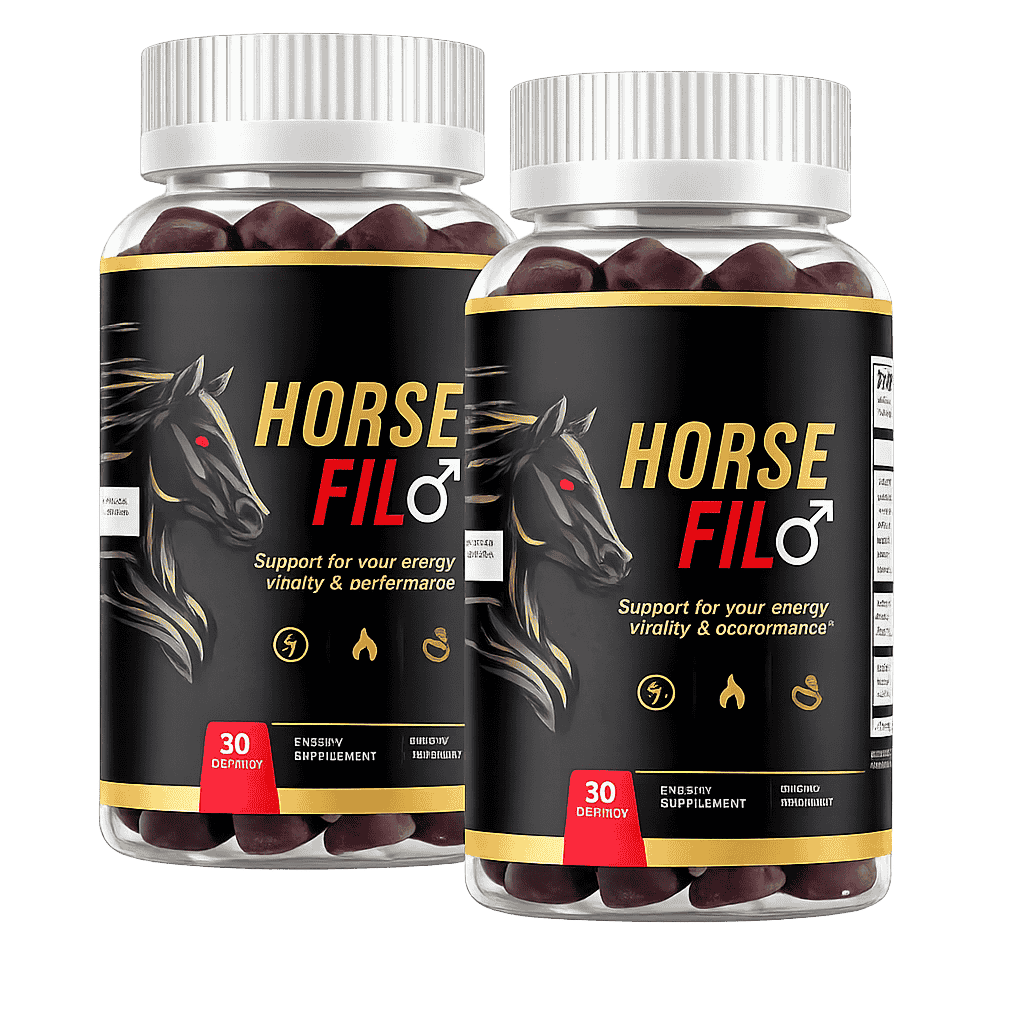
Fix the Mistakes — Then Let HorseFil® Fill the Gaps
Address the habits above, then complement your improved lifestyle with HorseFil — premium nutritional support for men who take their vitality seriously. Ashwagandha, Zinc, Tribulus, Maca, and more — daily support for the man who is doing the work.
Get HorseFil Today